Cut your weekend yard work with these low-maintenance garden ideas that shrink the lawn, stop the weeds and put right-sized native plants in your beds.
8 low-maintenance garden ideas that cut weeding and mowing
Written up by Linnea Thorsby
5 minutes to read
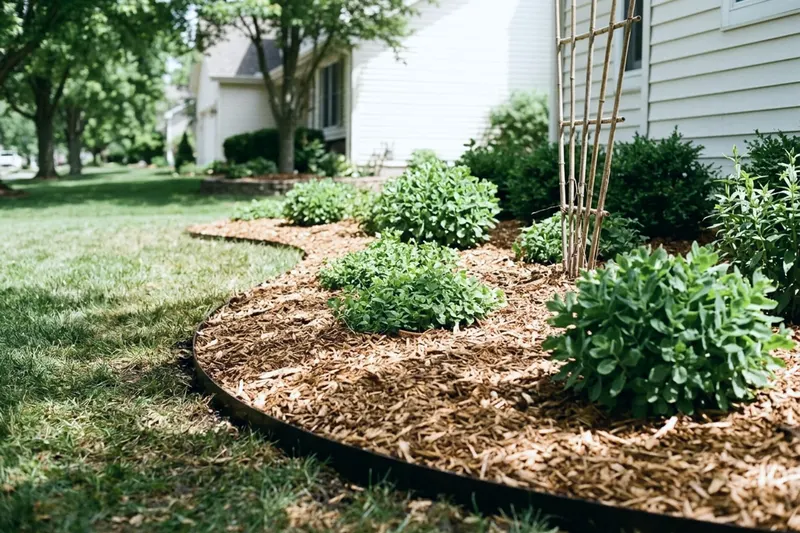
A yard that looks good does not have to eat up your weekend. You can cut down on mowing and weeding by shrinking the lawn and picking plants that fit their space. These eight garden ideas trade constant yard work for simple seasonal tasks so you get your Saturdays back.
1. Shrink the lawn to the part you actually use
A giant lawn demands constant mowing and regular watering. Keep the grass where kids play or dogs run, and turn unused corners and deep borders into planting beds. Large beds hold shrubs and thick ground covers that block weeds out. Less grass means less time pushing a heavy lawnmower in the summer heat.
Mark out a new bed with a standard garden hose to follow the natural curves of your yard. Dig up the turf and add a rich layer of compost. You only have to prepare the soil once. The new shrubs take over the space and need no weekly mowing.
2. Fill bare and shady patches with ground covers and sedges
Grass struggles to grow under large trees or along shady fence lines. The lack of sunlight kills the turf and leaves bare patches. Bare dirt always invites weeds to take over. Penn State Extension suggests native sedges such as Pennsylvania sedge as a lawn alternative in shade.
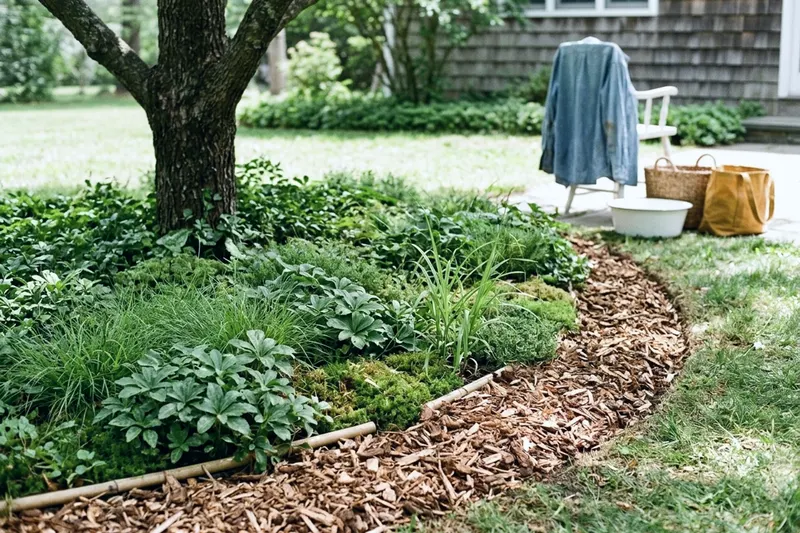
Plant these small plugs close together so their roots form a dense mat. They can crowd out weeds as they fill in. A solid carpet of green sedge fills in the bare spot. You save money on grass seed and spend less time pulling invasive weeds out of the dark corners.
3. Let a strip of tall native grass take over the far edge of the yard
You can leave the back edge of a large lot to grow wild. Most native grasses grow to 12 to 15 inches tall and only need to be cut once a year. Check local ordinances before establishing a native meadow, since many communities have restrictions. You might need to scale plans down or apply for a variance.
Keep these wild strips away from the house. The CDC advises clearing tall grasses and brush around homes and at the edge of lawns to help reduce ticks. Place playground equipment, wooden decks and stone patios well away from yard edges and trees. A natural meadow can bring in local birds and butterflies.
4. Choose plants that are hardy in your zone
Plants die when winter gets too cold for them, and replacing dead plants every spring wastes your time and money. Check the USDA Plant Hardiness Zone Map before you buy anything at the nursery. The map is based on the average annual extreme minimum winter temperature. It divides the country into 10-degree Fahrenheit zones split into 5-degree half zones.
Buy shrubs and perennials rated for your specific half zone or colder. A plant rated for zone 5 is rated for colder winters than zone 6 usually brings. Zones are a general guide, so ask a local nursery or extension office about your spot.
5. Pick shrubs that fit their space so you never cut them back
A bush planted too close to a walkway requires constant pruning. Every cut can trigger fast new growth that you have to trim again. Read the mature size on the nursery tag before you dig a hole. Plant a wide shrub far enough back from the path.
Give the new plant room to reach its full size naturally. You will rarely need your pruning shears. The plant keeps its natural shape. You spend your weekends enjoying the view instead of hauling away bags of yard waste.
6. Plant perennials instead of replanting annuals each spring
Annuals look bright for one short season and then die off completely. You have to dig them up and plant new ones next May. Perennials go dormant in the winter and push up fresh green growth every spring.
Fill your main beds with strong perennials like purple coneflowers or large hostas. These tough plants grow bigger and wider each year. Their broad leaves block sunlight from reaching the soil and stop weed seeds from sprouting. You only have to dig the planting hole once.
Keep a few bright annuals in a clay pot near the front door if you want a quick flash of color. Let the perennials handle the heavy lifting out in the yard.
7. Group thirsty plants together near the hose
Dragging a heavy hose across the yard takes too much time. Put plants that need frequent watering right by the outdoor faucet. Keep the outer edges of the yard reserved for drought tolerant natives. These tough survivors handle dry spells with little help from you.
You can water the thirsty plants quickly without uncoiling a long, heavy rubber hose. The distant beds need far less water once their roots take hold. This layout saves water and your back.
8. Mulch every bed and keep the edges simple
Bare dirt dries out fast and sprouts weeds. Cover the soil with a thick layer of wood chips. The right layer of organic mulch keeps weeds down and holds valuable moisture in the ground. You spend less time pulling deep dandelions, and the thick chips break down slowly to feed the roots over time.
Keep the lines between the mulch and the grass smooth and wide. A simple sweeping curve lets you push the mower right along the edge without stopping to use a string trimmer. Complex wavy edges trap mower wheels and force you to trim by hand. Keep weeds down without herbicide by adding a fresh coat of mulch every spring.
Choose simple tools for the job
A shed full of heavy equipment requires constant upkeep. Gas motors need fresh fuel and regular oil changes. Battery tools need charging and eventually new batteries. Trade the loud machines for simple hand tools.
A sharp steel hoe cuts weeds off at the root in seconds. A sturdy bypass pruner handles the rare dead branch without tearing the wood. These quiet tools hang neatly on a garage wall and are light to carry. You can walk out and fix a small problem instantly without pulling a start cord or waiting for a battery to charge.
Start with one small bed
Start small. You do not have to change the whole yard in one weekend. Pick the worst patch of struggling grass or the barest corner first. Dig out the weeds and put in a few strong native perennials.
Smother the open dirt with a bag of wood mulch. Watch how the new bed handles the summer heat with very little water. The plants settle in and start blocking weeds on their own. You can tackle the next problem area when you feel ready, and step by step, the yard becomes a quieter space that needs far less care.


