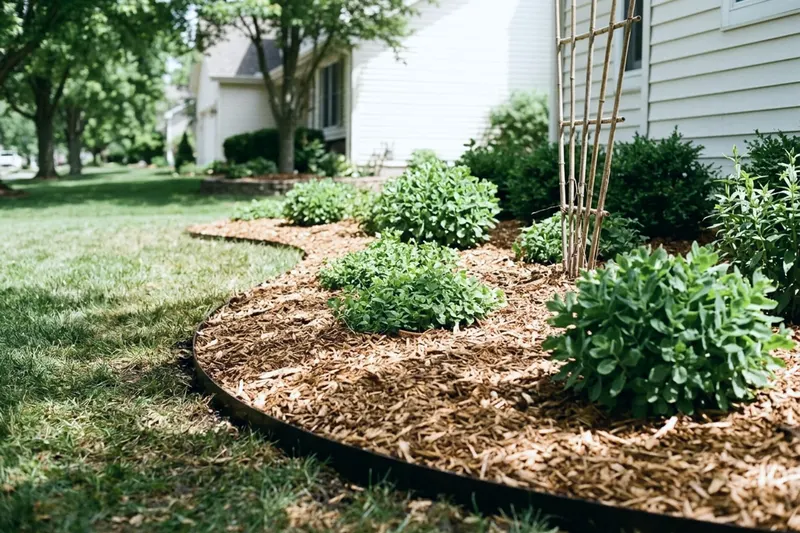
Learn how to tell hardy garden mums from florist plants and keep them alive through winter with proper spring planting, pinching and cold weather mulching.
How to keep hardy garden mums alive through winter
Written up by Linnea Thorsby
5 minutes to read

Fall potted mums often die by spring because many are florist varieties. True hardy garden mums return each year with proper outdoor care. Plant them in spring, pinch the stems, and protect the roots before winter.
Tell garden mums from temporary florist mums
You buy a potted plant in September and the blooms look great on the porch. Then the whole plant dies by spring. You likely bought a temporary display plant.
Florist types usually do not survive winter outdoors. Iowa State University Extension says garden mums are more cold hardy than florist mums.
Mums have shallow roots, so repeated freezing and thawing can heave them out of the ground. Garden varieties are more cold hardy, so they have a better chance of surviving winter.
Check the plastic plant tag carefully before buying. Buy plants labeled as garden mums or winter hardy varieties.
Ask the garden center staff which plants are bred to survive outdoors.
Plant them in spring for a strong root system
Most people buy these plants in full bloom. They plant them in the yard in autumn. The plants often die before spring. Late summer and early fall plantings often fail to establish before winter.
Iowa State University Extension says spring is the best time to plant garden mums. The delicate roots need plenty of time to grow. Spring planting provides months of warm growing weather. The plant builds a deep root system.
Buy a small pot in spring. It will grow quite large by the autumn months. Dig a hole to fit the pot.
Set the small plant down inside the hole. Fill the loose soil back in around it. Water deeply. A soaker hose works well for this task.
Let the roots settle into the surrounding garden soil. The plant spends the summer building roots and enters winter well anchored.
Choose a spot with full sun and draining soil
Plants grow thin and weak in heavy shade. The long stems simply flop over the ground. They produce very few flowers for the season. You need a planting spot with full sun.
Find a place that gets constant direct daylight. Check the garden area after a heavy rainstorm. Look for puddles of standing water. Wet soil rots plant roots during the winter months.
The garden soil must drain excess water well. Dig the initial planting hole with a shovel. Mix fresh compost into the dirt you remove. Compost loosens up tightly packed clay soil types.
The organic matter helps rainwater drain away from young roots. Avoid any low spots in the backyard layout. Plant them on slightly higher ground for physical safety.
Good soil drainage helps keep wet soil away from the roots. You can build a raised bed for them instead.
Use basic pine boards for the wooden frame. Fill it with a loose commercial topsoil mix. This setup helps with drainage. It creates a solid low-maintenance garden for you.
Pinch the stems back for bushy fall blooms
Left alone, mums can grow tall and leggy. You have to pinch the stems back manually.
Pinching forces the main plant to branch out. More lateral branches mean a tighter rounder shape. More branches also create many more autumn flowers.
Iowa State University Extension advises pinching out shoot tips once new shoots are 6 inches tall. Snap the top off every stem with your bare fingers.
You can also use a pair of snips. Repeat this exact process two or three times in spring and early summer. The main plant grows much thicker each time.
Stop pinching by early July. Iowa State University Extension advises against pinching after Independence Day. The plant needs enough time to form flower buds.
Late pinching can delay flowering. Leave the plant alone completely after that holiday. Let the remaining branches grow out until autumn.
Leave the old growth standing all winter
Fall winds blow roughly through the front yard. The bright flowers turn brown and completely dry. You will want to cut the dead stems down, but wait.
Do not cut the dead plant down yet. Iowa State University Extension points to winter survival research. Garden mums survive better when the old growth is left standing through winter.
The stiff dead stems may help protect the base of the plant.
Cutting them down in fall lowers the odds that the plant survives.
The bed looks messy for a few months. Accept the brown stems.
Cut the dead parts away in spring once the weather warms.
Cover the plants with straw or pine needles
Winter ground temperatures fluctuate wildly through the season. The soil freezes solid on the cold days. Then it completely thaws out in the bright sun.
This freezing cycle pushes shallow roots out of the ground. The newly exposed roots dry out and die. Mulch keeps the soil evenly cold once it freezes.
Iowa State University Extension suggests several inches of straw or pine needles over the plants. Wait for the outdoor weather to turn genuinely cold. Iowa State suggests late November or early December for Iowa, so adjust for your own climate.
Buy a bale of straw from a farm store. You can also rake loose pine needles from your yard. Spread the thick material directly over the dead stems.
Make sure you cover the base entirely with mulch. This physical barrier blocks the sun from warming the soil. The soil stays more evenly cold.
This helps keep the roots from heaving out of the ground. It also helps keep weeds down when things warm up. Keep the heavy cover in place through the worst weather.
Iowa State University Extension says the cover should be removed in early spring. Pull the wet straw away from the base gently. Rake it neatly into a backyard compost bin. Expose the new green shoots to the bright sun.
Divide crowded clumps to keep them healthy
The perennial plant grows much wider each year. The direct center turns woody and completely bare. Very few green leaves grow in the middle area. The overall clump becomes too crowded over time.
Divide mature plants in early spring, just as new growth starts to show.
Dig the entire root clump out of the ground. Use a heavy digging spade for the job. Lift the heavy root ball out of the dirt.
Cut the main clump into a few smaller sections. You can slice it with an old bread knife. Keep the vigorous sections from the outer edges.
Throw the dead woody center part away completely. Put it directly into a brown yard waste bag. Replant the new outer sections immediately in the garden.
Space them widely apart in the flower bed. Water them thoroughly with a long garden hose. These smaller pieces grow vigorously over the summer months.
They form beautiful round mounds by the fall season. Division gives you free new plants and keeps the patch full.