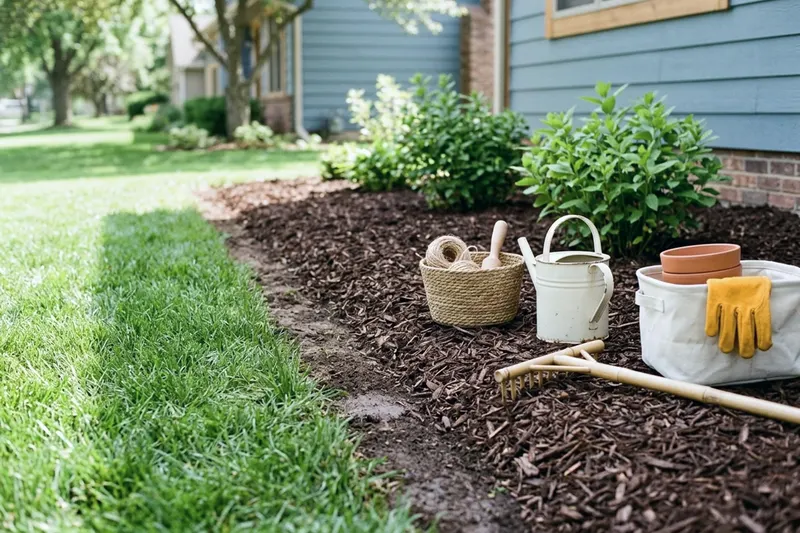
Keep weeds out of your garden beds and patio cracks with eight practical methods for non-herbicide weed control that target the roots and seeds.
8 ways to keep weeds down without herbicide
Written up by Linnea Thorsby
6 minutes to read

Weeds crowd out your garden plants and push up through the cracks in your patio. Non-herbicide weed control comes down to pulling weeds young, smothering patches, starving seeds of light and water, and digging out stubborn roots. Eight methods follow for beds, borders and paving cracks.
1. Pull small weeds by hand out of damp soil
Tiny green shoots pop up across your beds after a spring rain. You stop these small plants from spreading by yanking them early. The University of California advises removing young weeds by hand before they flower and set seed. Hand pulling is usually easier while the garden soil remains moist.
Wet dirt releases the roots smoothly so the entire plant comes out whole. You grasp the base of the weed close to the ground and pull straight up. A weed that breaks off at the surface simply grows back from the base. A dry bed holds the roots tight and forces the stem to snap.
You soak the soil with a garden hose first if the ground feels hard and dry. A steel hand trowel helps you loosen the dirt around stubborn roots so they release cleanly. You place the pulled weeds into a heavy yard waste bag right away. Consistent pulling catches the weeds while they are weak and stops them multiplying across your beds.
2. Smother large overgrown patches beneath wood chips
A neglected corner of the yard often fills with a dense tangle of tall weeds. Penn State Extension lists 6 inches of wood chips as a covering that smothers existing plants. You can also use newspaper 20 sheets thick topped with wood chips for the same effect. Overlapping the newspaper sheets helps keep light off the dirt below.
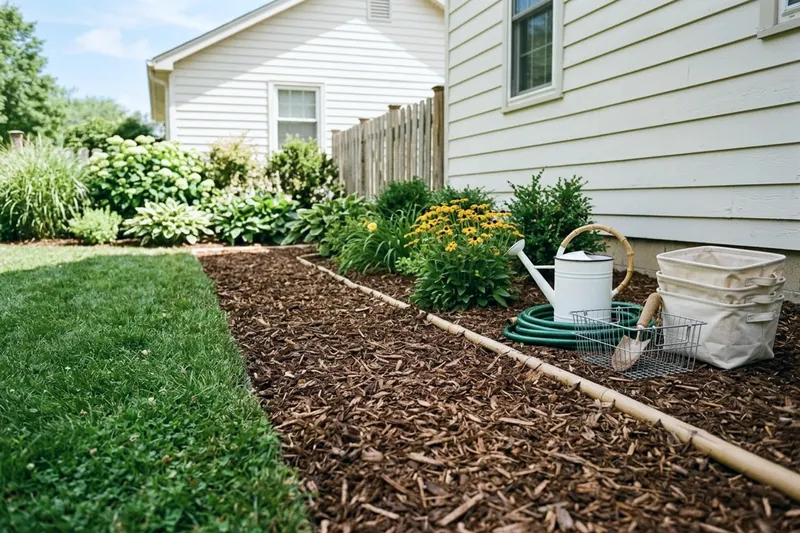
You apply this thick cover in late spring and leave it in place for at least two months. The heavy barrier starves the weeds of light and blocks new shoots from emerging. This method kills everything trapped underneath, so it smothers your wanted plants too.
You use this approach only on bare patches you want to clear completely. Spreading a layer of organic mulch works better around your established garden plants.
3. Solarize bare dirt with clear plastic sheeting
An empty garden bed often holds dormant weed seeds and roots waiting to sprout. You bake the soil to kill those pests before you plant anything new. The University of California advises that soil solarization requires covering the soil with clear plastic for 4 to 6 weeks during the warmest, sunniest months. The clear plastic traps the heat from the sun and raises the soil temperature.
You prepare the area by clearing away surface debris and watering the dirt deeply. You remove sharp rocks and sticks that might puncture the thin plastic layer. You dig a shallow trench around the outside edges of the garden bed. You stretch a heavy roll of clear plastic sheeting tight across the wet soil.
You bury the edges of the plastic in the trench to trap the heat. You check the edges of the tarp weekly to ensure they stay buried in the dirt. You leave the cover alone for the full 4 to 6 weeks so the heat penetrates deep, then peel it back before you plant.
4. Stop digging the soil and exposing buried seeds
Garden soil holds a massive bank of dormant weed seeds below the surface. These seeds stay quiet and harmless as long as they remain in the dark. The University of California advises avoiding deep tilling because it brings buried weed seeds to the soil surface where they are more likely to sprout.
Turning the earth over with a shovel exposes those hidden seeds to the sunlight. A freshly tilled garden bed can sprout far more weeds. You protect your garden beds by leaving the deep soil completely undisturbed.
You spread a thick layer of compost on top of the soil instead of mixing it in. You add new compost to the top layer at the start of each spring season. Minimizing the soil disturbance keeps the sleeping weed seeds trapped in the dark.
5. Install drip irrigation to keep empty ground dry
Sprinklers spray water in a wide arc that covers the empty spaces between plants. This broadcast watering feeds every weed seed sitting on the bare soil. The University of California says drip, subsurface or microsprinkler irrigation in permanent plantings reduces weeds by putting water at or near the plants instead of across open areas.
You lay a drip hose flat along the base of your shrubs and flowers. You connect the drip line directly to an outdoor faucet near the garden bed. The water seeps directly into the root zone of the plants you want to keep. The soil between the plants stays dry and hostile to new weed growth.
You check the small holes in the hose occasionally to clear out mineral blockages. Switching to a drip line can reduce weeds because less water reaches open ground.
6. Pack garden beds tightly with low ground covers
Bare soil acts as an open invitation for weeds to drop seeds and multiply. You stop this cycle by planting ground covers and shrubs close together so their leaves touch. A dense canopy of foliage casts deep shade on the garden soil. This shade can cut the sunlight that weed seeds need to germinate.
The roots of your chosen plants compete for water and nutrients beneath the surface. You buy healthy starter plants from a local nursery to fill the empty gaps quickly. You water the new ground covers deeply during their first few weeks outside. Strong roots help the new plants spread across the bare dirt rapidly.
Adding creeping ground covers can form a living barrier against small invaders. For more ideas, see low-maintenance garden ideas to keep the yard looking neat. A packed bed leaves weeds less room to find sunlight.
7. Pour hot water on tiny weeds in paving cracks
Small weeds push up through the narrow gaps in your concrete walkway or stone patio. The University of California says hot water, steam and flamers are generally only effective on very small weeds in spots such as sidewalk joints. Hot water can damage the leaves of a very small weed.
You must exercise extreme caution because boiling water and steam can cause severe burns. You wear long pants and closed shoes to protect your legs from accidental splashes. The university notes that hot water at home often works poorly because it cools quickly once it leaves the heat.
You boil water in the metal kettle and pour it directly onto the tiny weeds. You hold the spout close to the ground to keep the heat concentrated. You repeat the treatment a few days later if the green leaves recover.
8. Dig out the entire root of a perennial weed
Trimming the top off a tough weed makes the yard look better temporarily. The plant quickly pushes new growth up from the root system hidden underground. The University of California says most perennial weeds are not controlled with trimmers and advises digging up all their roots and underground parts with a dandelion knife or similar tool.
You wait until after a heavy rain to pull weeds with deep roots. The damp ground shifts easier and lets the long root slide out intact. You slide a hand tool down alongside the taproot and gently pry it loose from the dirt. Leaving a broken piece of root in the ground can let the weed regrow.
You dig carefully around the base of the plant to extract the root intact. You drop the entire root system into the municipal trash bin immediately. Throwing the roots in the trash stops them from taking hold in your compost pile.