Learn the exact timing for pre emergent weed control so crabgrass seeds are far less likely to sprout in your lawn, plus how to apply it correctly.
When to put down pre emergent so weed seeds never sprout
Written up by Linnea Thorsby
7 minutes to read
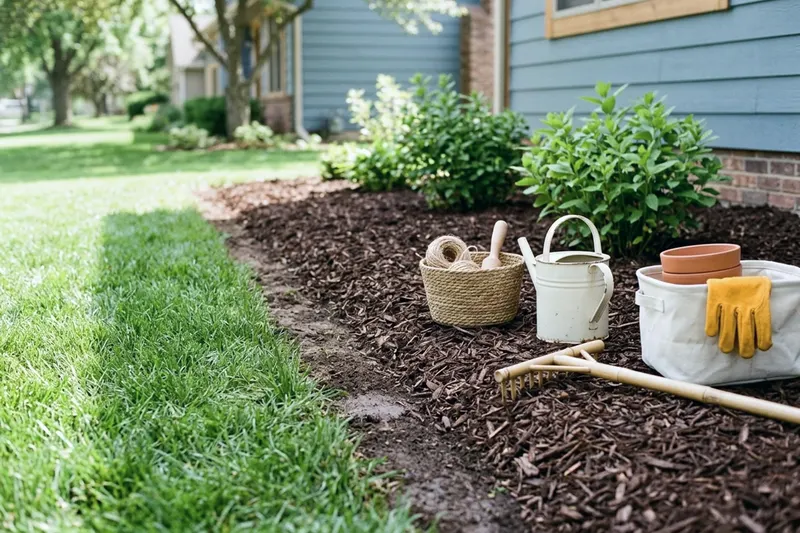
A pre emergent stops weed seeds from sprouting when you apply it right before the soil warms up. You read the ground temperature instead of the calendar to time the application. This blocks crabgrass and other weeds from taking over your yard in the spring.
How pre emergent weed control actually works
Pre emergent weed control creates an invisible chemical barrier in the top layer of your soil. You apply it in the early spring to stop dormant weed seeds from taking over your grass. The Wisconsin Extension points out that preemergence products kill germinating crabgrass seeds. The herbicide stops the weed as the seed germinates.
The active chemical only works on seeds that have not started growing. A bag of granular weed preventer covers a wide patch of grass. You spread it over the entire yard to blanket the soil before the growing season begins. The protective barrier eventually breaks down, and the product label says how long it lasts.
You cannot use this product to kill a dandelion or a plantain that survived the winter. The barrier does nothing to a weed that already has green leaves above the ground. You have to tackle existing plants with a completely different method. Weed prevention focuses entirely on seeds waking up from their winter dormancy.
Read the soil temperature instead of the calendar
Spring weather changes wildly from one month to the next. Spreading your weed control on the same Saturday every April can fail if the ground warms up early. Weed seeds ignore the calendar and react purely to the soil temperature.
The Wisconsin Extension says soil temperatures need to reach about 55 degrees Fahrenheit for several consecutive days before crabgrass germinates. Preemergence herbicides go on before then. You want the chemical barrier active and waiting in the dirt when the seeds wake up.
Buy a soil thermometer from a garden center to track the ground heat. Push the metal probe down into the dirt. You should check a spot in your yard that gets full sun all day long.
Bare patches of dirt next to a concrete driveway warm up first. Concrete holds heat from the sun and can warm the adjacent dirt. Crabgrass may sprout along these edges before it appears in the middle of the lawn. Once your thermometer approaches 55 degrees Fahrenheit in a sunny spot, spread the product.
Watch spring bushes bloom as a timing guide
Nature provides reliable visual clues if you do not want to poke a thermometer into the ground every morning. Shrubs and trees respond to the exact same ground temperatures that wake up crabgrass. You can watch the plants in your own neighborhood to time your yard work.
Forsythia bushes produce bright yellow flowers early in the spring before their green leaves appear. Their bloom is a rough timing cue for the crabgrass germination window. When you see those yellow flowers open, the soil is warming toward crabgrass germination. Spread your pre emergent weed control as the forsythia finishes blooming and drops its petals.
If the petals are already falling, check a soil thermometer and apply as soon as you can.
Relying on local plants gives you a localized temperature reading that a generic schedule cannot match. A bush planted on the south side of your house blooms earlier than one in the shade. That early bloom warns you that the sunny parts of your lawn are warming up fast.
Spread the granules evenly across the yard
A granular weed preventer relies entirely on uniform coverage across the grass. Any gap in the application leaves an unprotected spot for weeds to push through. You need a walk-behind broadcast spreader to distribute the granules evenly.
Look at the back of the herbicide bag to find the spreader settings. Turn the dial on your hopper to match the recommended rate. Pour the granules into the hopper while parked on your driveway to catch any accidental spills. Sweeping up a spill on concrete is much easier than fixing a burned patch of grass.
Walk at a steady, normal pace across your yard. Pushing the machine too fast throws the granules too far and thins out the barrier. Pushing too slowly dumps too much chemical in one spot and risks damaging your lawn.
Overlap your wheel marks by a few inches on each pass to prevent skipped strips. Treat the edges along sidewalks and curbs carefully to cover the warmest soil in the yard. Close the spreader hopper when you make sharp turns to avoid dumping a pile of granules.
Water the application into the soil immediately
The barrier does not form just by dropping the granules on top of the grass. The chemical must wash off the carrier particles and bind with the top layer of dirt. The Wisconsin Extension confirms that rain or irrigation after application is needed to move preemergence herbicides into the soil so they work.
Plan your lawn care around the local weather forecast. Spreading the product a day before a gentle, steady rainstorm saves you a water bill. The rain melts the granules and pushes the active ingredients down exactly where the weed seeds rest.
If the forecast shows dry weather, you have to run your sprinklers. Run your sprinklers as long as the product label directs. You need enough water to move the product off the grass blades and into the soil.
A heavy downpour can wash the granules off a sloped lawn. A light rain or a run of your sprinklers is usually enough to activate them.
Keep grass seed away from treated areas
Pre emergent chemicals cannot tell the difference between a crabgrass seed and a tall fescue seed. The barrier simply stops any seed from establishing roots in the top layer of dirt. If you spread grass seed over a treated lawn, the herbicide can damage your new grass.
The Wisconsin Extension notes that seeding cannot be done together with a preemergence herbicide application unless the product label allows it. Only products whose label allows it can be used while seeding, and standard products block grass seed too. Check the label for how long to wait before you seed.
Save your major lawn repair projects for the fall. Early fall offers cooler air and warm soil for grass seed to thrive. Fall seeding also avoids the heavy crabgrass competition that ruins spring patching attempts.
Your spring focus belongs entirely on weed prevention. Keep your bags of grass seed sealed in the garage until the summer heat breaks.
Switch tactics for weeds that are already growing
A pre emergent does nothing to a dandelion with leaves already showing. Once a plant breaks the surface, the vulnerable seed stage is over. The Wisconsin Extension states that plants that are already up and visible need a postemergence product.
Postemergence products are made for weeds that are already growing. Spray a targeted liquid weed killer onto the visible leaves of the offending plant, following the label. Pick a calm day so the wind does not blow the drifting spray onto your garden flowers.
You can also pull isolated weeds by hand after a rainstorm. Grip the weed at the soil line and pull straight up to extract the entire taproot. A simple pass with a digging tool often clears out minor problems before they spread.
If you want to skip chemicals entirely in your flower beds, read about ways to keep weeds down without herbicide. Manual removal works best on small weeds before they drop their own seeds.
Grow thick grass to block sunlight from seeds
Weed seeds need warm soil and direct sunlight to sprout and grow. A thin, patchy lawn lets the sun reach the dirt directly. A dense stand of healthy grass acts as a natural physical barrier against invaders.
Set your mower deck to a high setting. Taller grass blades cast longer shadows on the soil beneath them. This shade may keep the ground cooler in the spring and block some of the light the seeds need.
Mowing high reduces the stress on your grass during the hot summer months. A healthy lawn fights off weed pressure much better than grass cut all the way down to the dirt. Leave the grass clippings on the lawn so they can return nutrients to the soil.
Feed your lawn with fertilizer in the fall to build strong, deep roots. Deep roots help the grass crowd out weeds when spring arrives. A thick yard may need less pre emergent weed control over time. If you have deeply shaded areas under trees where grass struggles to grow, consider which organic mulch keeps weeds down to protect those bare spots instead.


