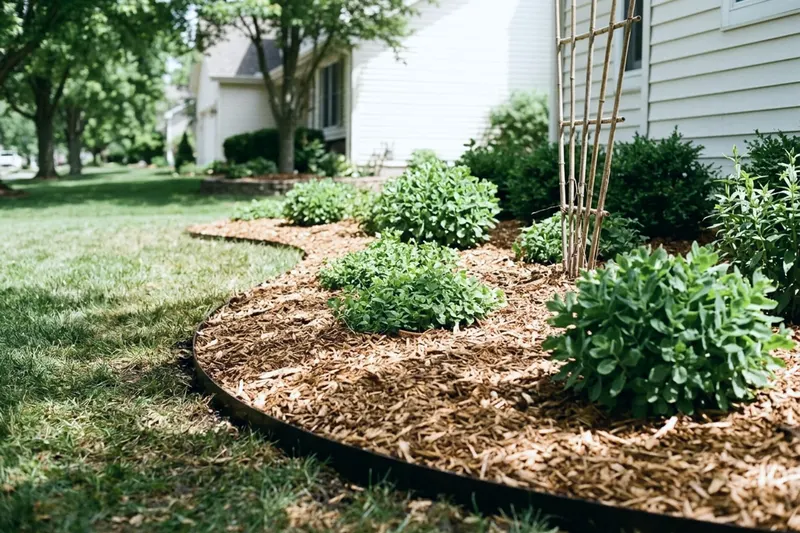
Find out which easy climbing plants cover a garden trellis with minimal care, how to match vines to a support, and ways to train stems.
Which easy climbing plants cover a trellis without fuss
Written up by Linnea Thorsby
7 minutes to read

A bare garden trellis needs a strong climbing plant that scales the structure and fills out with leaves on its own. The best choices wrap around a support naturally and come back every spring so you rarely have to replant them. You just need to match the vine to your local climate and soil.
Check the sun, soil and local climate first
A climbing plant thrives only when it sits in the right environment for its root system. Watch your planting spot throughout the day to see exactly how much direct sun hits the ground. Some vines need full sunlight from morning to evening to produce blooms and thick leaves. Other climbers prefer shade during the hottest part of the afternoon and will scorch if left completely exposed.
Dig into the soil to check the drainage before you choose a plant. Heavy clay holds water near the roots and can cause rot in many vines. Sandy soil drains too fast and leaves a young plant thirsty during a dry spell. Adding organic compost to the planting hole can help with minor soil problems and gives roots a loose base to spread through.
Pour a bucket of water into a shallow test hole to see how fast it drains. If the water sits in a puddle for hours, you need a plant that tolerates wet roots.
You also need a vine rated to survive your local winters. Plant hardiness zones are based on the coldest expected winter temperatures. Look up your local zone online and buy a vine rated for that specific climate. A plant native to your exact region often makes for a strong climber that fights off local pests and handles seasonal weather changes.
Pick plants that grip a garden trellis automatically
Vines climb a garden trellis in different ways. The easiest options handle the climbing entirely on their own. Twining vines grow in a spiral pattern and wrap their main stems around anything they touch. These plants twist tightly around vertical supports and lock themselves in place as the stems thicken.
You rarely need to tie a twining vine because the growing tip constantly reaches for a new rung. Other climbers use tiny specialized parts to pull themselves upward. Tendril vines send out thin green shoots that look like curly springs. These tendrils wrap around narrow wire or thin wood and pull the main stem closer to the support.
They grab hold and help keep the plant in place. You only have to guide the initial growth toward the frame.
Some vines use aerial roots or adhesive pads that stick directly to flat surfaces. These clinging vines climb solid brick or thick wooden posts without wrapping around them. They can leave residue on wood and sometimes pull mortar loose from older brickwork. A clinging vine works well on a sturdy masonry wall but can damage a flimsy wooden structure over time.
Choose a perennial vine to avoid planting every spring
Annual vines live for just a short growing season. You must plant new seeds every spring and wait for fresh vines to cover a bare support. Annuals drop dead stalks that you have to pull down and haul away before winter. To skip the yearly chores, skip annual seeds.
Perennial vines die back to the ground or go dormant in the fall and push out fresh growth from the same root system the following spring. You plant a perennial vine once and it tends to get thicker and stronger each season. The established roots push rapid growth as soon as the ground warms up. A mature perennial often covers a tall structure faster than a newly sprouted annual seed.
If you want to build a truly low-maintenance garden, perennials are a good choice. Look for woody perennials if you want a plant that stays on the support all year. These vines develop thick bark and leave a permanent structure of branches on the support even after the leaves fall.
Herbaceous perennials die back completely to the soil line and leave the support bare through the winter. A woody vine provides steady winter interest and gives birds a place to rest. Pick a perennial variety native to your region to ensure it survives the winter cold and returns reliably.
Match the garden trellis to your chosen climbing plant
A vine fails to climb if the structure is too thick or too weak for its grip. Twining plants need vertical posts that are narrow enough for the stems to wrap entirely around. A heavy wooden post gives a twining vine nothing to grab. You often have to wrap thin wire around a thick post to give the young stems a starting point.

Tendril climbers need very thin supports to grab onto. The small curled shoots cannot stretch around a thick piece of lumber. Metal mesh or thin lattice grids give tendrils the perfect anchor points. The spaces between the supports must be small enough for the tendrils to reach across and grab the next wire.
Consider the mature weight of the plant before you put a support in the ground. A woody perennial vine gets incredibly heavy after a few seasons of growth. A weak plastic frame can bend or snap under the weight of a mature woody climber. Sink strong wooden posts deep into the ground to hold up thick vines.
Plant at the base and train the young shoots upward
Start your new plant a short distance away from the support base. Digging right against the structure usually hits a concrete footing or highly compacted dirt. A small gap gives the roots room to expand and prevents the support from blocking natural rainfall. Dig a hole exactly as deep as the nursery pot and wide enough to give the young roots loose dirt to push through.
Gently squeeze the sides of the nursery pot and slide the root ball out. If the roots circle the dirt tightly, massage the bottom to loosen them up. Set the root ball in the hole and angle the main stem slightly toward the structure. Fill the dirt back in and press it down gently to remove large air pockets.
A new vine does not know where the structure is until you point it in the right direction. Use soft garden twine or flexible cloth strips to loosely attach the longest green shoots to the lowest rungs. Check the young plant regularly as it pushes out fresh green growth. Guide any stray shoots back toward the structure and weave them gently through the gaps.
Once the vine feels the support and wraps its own tendrils around the rungs, you can stop tying.
Spread mulch over the roots and water deeply at first
A newly planted vine needs consistent soil moisture while it builds a permanent root system. Rain may not provide enough water during a young plant's initial summer in the ground. Water the base of the plant deeply and frequently. Deep watering encourages roots to push far down into the soil.
Shallow splashes of water keep roots near the surface where they dry out quickly on a hot afternoon. Cover the bare dirt around the base of the plant with a thick layer of wood chips or shredded bark. Mulch acts as a blanket that stops the sun from baking the soil dry.
It also prevents weed seeds from sprouting and stealing water from your new vine. Lay the mulch out in a wide circle but keep it completely away from the actual plant stem. Wet mulch resting against a green stem can cause the plant tissue to rot.
A heavy layer of organic garden mulch saves you hours of pulling unwanted weeds by hand. You can water much less once the plant survives a complete winter and begins its next season of growth.
Established perennial vines usually survive on natural rainfall unless your region suffers a severe dry spell. You still need to replace the mulch layer every spring as the old wood chips break down into the dirt.
Prune the vine yearly to maintain a neat shape
Even the easiest climbing plants require a regular pruning session to prevent them from swallowing the yard. A strong vine eventually reaches the top of its support and begins searching for the next thing to climb. It will grab onto nearby shrubs, wrap around house gutters or creep across the lawn. Pruning forces the plant to stay on its designated structure.
For many established perennial climbers, late winter or early spring works for cutting back, but check the timing for your specific plant. Many are dormant at this stage and you can see the bare branch structure. Follow any dead or damaged stems back to the main trunk and cut them off cleanly. Remove stems that rub heavily against each other to prevent bark damage.
Trim back any wild shoots that stretch far beyond the main support. Cut these wandering branches down to a point just above a healthy bud. If a vine grows extremely thick and heavy on top, remove some of the older stems entirely from the base.
This thinning process opens up the center of the plant and lets sunlight reach the inner leaves. A yearly trim keeps the growth full at the bottom and prevents the plant from getting top-heavy. Clean your cutting tools when you finish to help stop plant diseases from spreading.