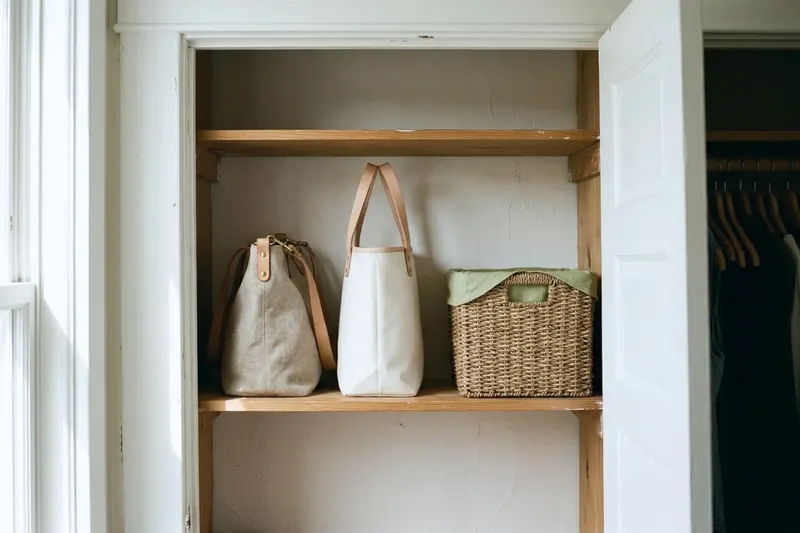
Find the right shoe rack for closet floors buried under footwear by matching your pairs and space to floor racks, door pockets and hanging shelves.
Which shoe rack fits a closet floor buried in shoes
Written up by Margo Lockridge
7 minutes to read

A closet floor buried under shoes makes getting dressed a chore. The right shoe rack for closet organization pulls every pair out of the pile and sets them in a clear spot. Match the rack type to the footwear you own and the empty space you have on the floor, the door or the clothing rod.
Assess your footwear and measure your closet space
Pull every pair of shoes out of the closet and group them by style across your bedroom floor. Identify your heavy winter boots, bulky athletic sneakers, tall formal heels and flat summer sandals. A delicate storage solution meant for flat sandals may fail if you only own thick leather work boots.
Sort your daily walking shoes away from the formal pairs you save for special events. Give the pairs you wear daily the easiest spot on the new rack.
Grab a metal measuring tape and measure the empty width and depth across your closet floor. Push your hanging shirts aside and check the bare floor space sitting beneath the hemlines. Measure all the way to the baseboards to ensure a hard frame will sit flush against the back wall. If a large laundry basket blocks your only available space, rethink where to put a hamper so you can reclaim the floor for your footwear.
Check the width of the inside closet door and measure the gap between the door and the interior shelves. A bulky organizer attached to the door will prevent the closet from closing if it hits the internal shelving. Look at the main clothing rod and push your hanging jackets to the side. Check how much bare metal remains on the rod for adding vertical hanging storage.
Choose a floor rack when the closet has a clear strip of floor
A freestanding floor rack offers the strongest support for your everyday footwear when you have a wide strip of bare floor. Slide a low metal or wooden tier rack directly against the back wall beneath your hanging shirts. Solid floor units usually carry the weight of thick sneakers and sturdy work shoes better than flimsy shelves.
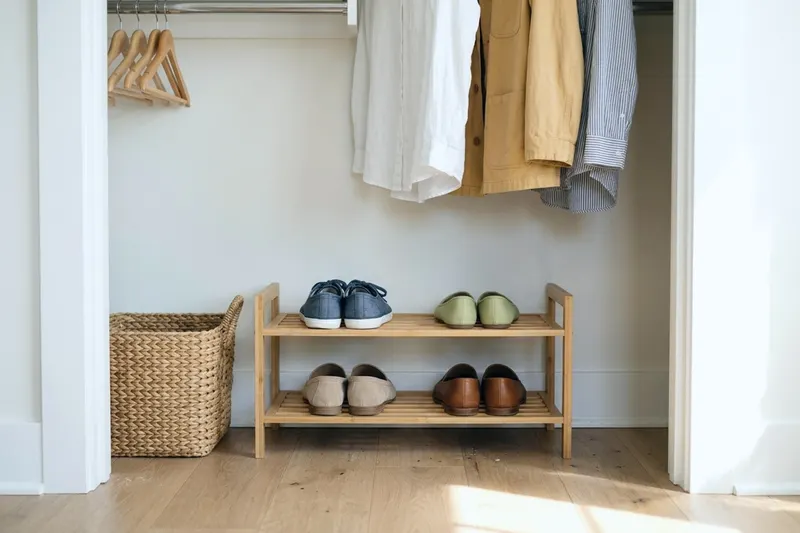
Some metal floor racks feature sliding poles that expand horizontally to fill the exact width of your open floor space. Pull the sides outward to stretch the rack across the wall.
Metal racks with open wire grates allow dirt to fall straight through to the floor for easy vacuuming. The open wires work perfectly for flat sneakers and wide boots, but thin heels will slip through the gaps. Choose a rack with solid wooden shelves or thick fabric tiers if you need to store thin heels upright.
Set your casual shoes and thick sneakers on the top shelf for quick access in the morning. Leave plenty of empty air space above the top tier so hanging clothes drop straight down without brushing the soles. Place your heaviest work boots on the very bottom rack so the unit stays steadier.
Hang over the door pockets for thin and flat shoes
The back of a standard closet door gives you a blank surface for storage when your floor is full. An over the door organizer uses fabric or clear plastic pockets to hold lightweight footwear off the ground. Slip the flat metal hooks over the top edge of the door and let the organizer hang flat against the wood. Test the door to ensure the metal hooks clear the doorframe without scraping the paint when you pull it shut.
A loaded door organizer adds significant weight to your closet door, so pull the handle gently to stop the shoes from swinging. If the bottom of the fabric organizer flaps against the wood, secure the bottom corners with adhesive mounting strips.
Use these soft pockets for your thin flats, flexible sandals and lightweight canvas sneakers. Heavy winter boots or thick platform shoes will stretch the pocket fabric and strain the hooks. Forcing bulky athletic shoes into narrow pouches can tear the seams and ruins the organizer.
Choose an organizer with clear plastic pockets or breathable mesh pouches so you can spot the exact pair you want. Solid canvas pockets hide your footwear and force you to dig through the pouches to find the matching shoe. Drop a single shoe into each pocket to keep the pairs separated and prevent the soles from scuffing the tops of the adjacent shoe.
Add hanging rod shelves when the floor is full
A fabric hanging column attaches directly to your main clothing rod and turns empty vertical air space into stacked shoe storage. Fasten its fabric strap around the rod, or hook its metal hangers over it, and let the soft shelves drop down alongside your shirts. This vertical setup works perfectly in narrow closets where the floor is completely taken up by built-in drawers.
Brush loose dirt off your soles before sliding them into a fabric column to keep the interior compartments clean.
Slide lightweight sneakers, soft slippers and basic flats into the individual fabric cubbies. Soft hanging columns lack rigid frames, so setting heavy work shoes inside will cause the fabric floors to bow and droop. Organizing a packed closet requires moving heavy items to a solid surface and saving the hanging rod for lighter materials.
Keep your hanging shoe column away from your longest coats and dresses to prevent the fabrics from crushing together. Slide the organizer next to your shortest shirts so you maintain a clean line of sight across the closet. The soft sides of the column will sway slightly when you pull a pair out, so use both hands to remove your footwear cleanly.
Use solid cubbies for tall heels and heavy boots
Tall heels and heavy boots require the firm foundation of wooden cubbies or rigid wooden shelves to stand properly. Solid cubbies sit firmly on the closet floor and provide individual wooden boxes that isolate heavy footwear. The hard base should support the concentrated weight of heavy heels better than a soft shelf.
Many wooden cubby units feature adjustable interior shelves held in place by small metal pegs. Move the pegs up or down to create taller compartments for your ankle boots and shorter slots for your low loafers.
Lay tall winter boots flat inside wide cubbies to prevent the leather shafts from slumping and creasing. Standing tall boots upright without support can leave wrinkles in the leather around the ankles. Stand your formal heels upright on flat solid shelves to protect the delicate heel stems from snapping under the weight of other shoes.
A sturdy wooden unit takes up significant floor space, but it offers the most protection for your best pairs. Give each pair of bulky shoes its own distinct cubby hole so nothing gets crushed or tangled. Separating formal shoes prevents the sharp hardware on one pair from scratching the smooth leather of another.
Move out of season footwear to higher shelves
Moving out of season footwear out of your main sightline opens up prime space on your daily shoe rack. Pack your heavy winter boots into fabric bins during the hot summer months and set them on the highest shelf in your closet. When winter arrives, swap the boots out and pack your canvas sneakers and open sandals into the same high bins.
Wipe down your seasonal footwear with a damp cloth to remove mud and dust before you pack them away. Dirty shoes sealed in a closed bin leave grime and a stale smell behind. Place a crumpled piece of plain packing paper inside your soft leather shoes to help them hold their shape while they sit in storage.
Label the outside of your opaque storage bins with a thick marker so you know exactly which season lives inside. A label saves you from hauling a heavy bin down from the top shelf just to find the wrong pairs.
If your top closet shelves are completely full, slide shallow storage bins under your bed to hold the shoes you ignore for months. Clear plastic under bed bins with rolling wheels glide easily across carpet and keep dust off your seasonal shoes.
Keep each pair together so the rack stays tidy
A new shoe rack only stays organized if you commit to putting your shoes away properly every time you take them off. Set both shoes next to each other facing the same direction the moment you return them to the closet. Dropping a single shoe onto the rack and tossing the other onto the floor starts the clutter again and buries your closet floor.